Winter light along the coast
The low sun in late autumn turns every wet rock into a mirror. I spent three mornings walking the same two kilometres of shoreline with a single 35mm lens, trying to learn how the light moves rather than chasing new places. The best frames came on the cloudiest day.
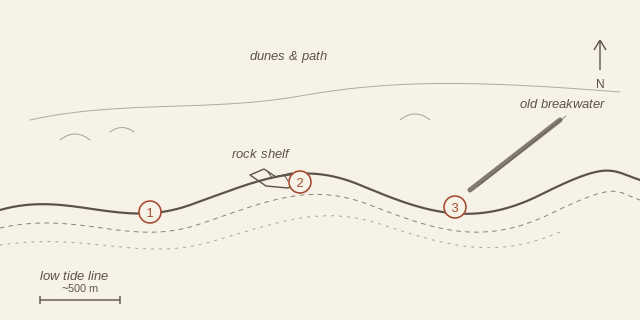
Day one: too much sun
A clear sky and a sun barely above the headland. Everything was either blinding or black. I came home with forty frames and kept two, both of them taken looking away from the sun, where the light was raking across the sand ripples instead of bouncing straight into the lens.
Day two: waiting for the tide
I arrived an hour earlier, before low tide, and simply stood at the second stop and watched the water leave the rock shelf. The shelf goes from dull grey to silver in about ten minutes as the film of water thins out. It is the same scene every day, but only for those ten minutes.
Day three: cloud
Flat, bright overcast. I almost stayed at home. Instead it was the easiest light of the week: no hard shadows, gentle reflections in every pool, and the breakwater finally showing its texture. The lesson I keep relearning is that "good light" is mostly about matching the subject to the weather, not about waiting for a sunset.
What I would do again
- One lens, one place, several days. It removes every decision except where to stand.
- Check the tide table before the weather forecast.
- Write two lines in the notebook after each walk. They were more useful than the photographs when I sat down to write this.